Introduction
Choosing between Medicine and Surgery (MBBS/MBChB) and Nursing Science (B.NSc) is one of the most important decisions many Nigerian students face when applying for university admission. Both courses belong to the health sciences, both lead to careers in hospitals and healthcare settings, and both offer the chance to save lives. Yet they are fundamentally different programmes with different admission requirements, different lengths of training, different professional roles, and different career trajectories.
Every year, thousands of JAMB candidates struggle with this choice. Some dream of becoming medical doctors but worry about the intense competition for admission. Others are passionate about nursing but wonder whether they should aim for medicine instead. Many students — and their parents — confuse the two programmes or assume that nursing is simply a “lesser version” of medicine, which is a serious misconception.
This comprehensive guide breaks down the real differences between Medicine and Surgery and Nursing Science in the Nigerian context. By the time you finish reading, you will understand exactly what each programme requires, what each course involves, how the two career paths compare, and which one might be the right fit for you based on your strengths, interests, and goals.
Quick Summary: Medicine and Surgery vs. Nursing at a Glance
Before diving into the details, here is a quick comparison to give you an overview.
| Factor | Medicine and Surgery (MBBS/MBChB) | Nursing Science (B.NSc) |
|---|---|---|
| Degree awarded | Bachelor of Medicine, Bachelor of Surgery | Bachelor of Nursing Science |
| Programme duration | 6 years (plus 1 year housemanship + 1 year NYSC) | 5 years (plus 1 year internship + 1 year NYSC) |
| JAMB subject combination | English, Physics, Chemistry, Biology | English, Physics, Chemistry, Biology |
| O’level requirements | English, Mathematics, Physics, Chemistry, Biology (minimum of five credits) | English, Mathematics, Physics, Chemistry, Biology (minimum of five credits) |
| Regulatory body | Medical and Dental Council of Nigeria (MDCN) | Nursing and Midwifery Council of Nigeria (NMCN) |
| Primary professional role | Diagnosis, treatment, and management of diseases and medical conditions | Patient care, health promotion, disease prevention, and clinical support |
| Admission competitiveness | Extremely competitive | Very competitive |
| Typical JAMB cut-off | 250 and above in most universities | 200–250, depending on the institution |
| Postgraduate specialization | Residency training leading to fellowship (FMCP, FWACS, FMCS, etc.) | Master’s and PhD in Nursing; specialist nursing certifications |
| Career settings | Hospitals, clinics, research, public health, academia, administration | Hospitals, clinics, community health, research, academia, public health |
| International demand | Very high | Very high |
This table gives you the broad picture. Now, let us examine each aspect in detail.
What Is Medicine and Surgery?
Medicine and Surgery — commonly referred to as MBBS (Bachelor of Medicine, Bachelor of Surgery) or MBChB in some universities — is the undergraduate professional degree programme that trains students to become medical doctors.
The programme teaches students to understand the human body, diagnose diseases, prescribe treatments, perform surgical procedures, manage patients across all age groups, and contribute to public health. Upon graduation and completion of the required postgraduate steps, graduates are licensed as medical doctors by the Medical and Dental Council of Nigeria (MDCN).
Medical doctors are trained to take overall clinical responsibility for patients. They examine patients, order diagnostic tests, interpret results, make diagnoses, prescribe medications, perform surgeries where qualified, and coordinate treatment plans. In the Nigerian healthcare system, medical doctors occupy a central role in clinical decision-making.
Key Characteristics of Medicine and Surgery
- It is one of the longest undergraduate programmes in Nigeria.
- It combines preclinical sciences (Anatomy, Physiology, Biochemistry) with clinical training in hospitals.
- Students must pass multiple professional examinations at various stages.
- After graduating, doctors must complete a one-year compulsory housemanship (internship) in an accredited hospital before full registration with the MDCN.
- After housemanship, doctors must complete the one-year National Youth Service Corps (NYSC) programme.
- Specialization requires further residency training, which can take four to six additional years or more.
What Is Nursing Science?
Nursing Science — leading to the Bachelor of Nursing Science (B.NSc) degree — is the undergraduate professional programme that trains students to become registered nurses. Nursing is a distinct health profession focused on the holistic care of individuals, families, and communities.
Nurses assess patients, provide direct care, administer medications, monitor patient conditions, educate patients and families about health, assist in medical procedures, coordinate with other healthcare professionals, and play a critical role in disease prevention and health promotion.
The Nursing and Midwifery Council of Nigeria (NMCN) is the regulatory body for the nursing profession in Nigeria. Graduates of accredited nursing programmes must pass the NMCN licensing examination to practise as Registered Nurses (RN).
Key Characteristics of Nursing Science
- The B.NSc programme typically lasts five years in Nigerian universities.
- Training combines classroom education with extensive clinical practice in hospitals and community health settings.
- Nursing students learn anatomy, physiology, pharmacology, nursing theory, patient assessment, community health nursing, mental health nursing, paediatric nursing, surgical nursing, and more.
- After graduation, nursing graduates must complete a one-year internship in an approved healthcare facility.
- After internship, graduates complete the one-year NYSC programme.
- Postgraduate specialization options include Master’s and doctoral degrees in various nursing specialties, as well as additional professional certifications.
Admission Requirements for Medicine and Surgery in Nigeria
Getting admitted to study Medicine and Surgery in Nigeria is notoriously competitive. Every year, the number of applicants far exceeds the available spaces in medical schools across the country. Understanding the exact requirements is essential for any serious candidate.
JAMB (UTME) Requirements for Medicine and Surgery
The Joint Admissions and Matriculation Board (JAMB) prescribes the following UTME subject combination for Medicine and Surgery:
- English Language (compulsory for all courses)
- Physics
- Chemistry
- Biology
All four subjects are mandatory. You cannot substitute any of these subjects with another when applying for Medicine and Surgery.
JAMB score expectations:
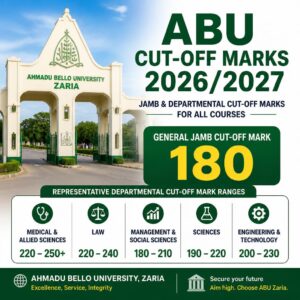
While JAMB sets a general minimum cut-off mark each year (which has been 140 in recent sessions for universities), this cut-off is merely the minimum score required to be considered for university admission generally. For Medicine and Surgery, in practice, you typically need a JAMB score of 250 and above to be competitive in most federal and state universities. Some highly sought-after institutions such as the University of Lagos, University of Ibadan, Ahmadu Bello University, and the University of Nigeria effectively require even higher scores.
Important: A high JAMB score alone does not guarantee admission. You must also perform well in the Post-UTME screening and meet all other requirements.
O’Level Requirements for Medicine and Surgery
You must have a minimum of five credits at one sitting in the following subjects in your O’level examination (WAEC, NECO, or NABTEB):
- English Language
- Mathematics
- Physics
- Chemistry
- Biology
Some universities require these five credits to be obtained at one sitting, while others may accept results from two sittings. This varies by institution, so always check your chosen university’s specific requirements.
A few universities may also require or prefer a credit in an additional subject, but the five listed above are the standard minimum.
Post-UTME Requirements for Medicine and Surgery
After writing the JAMB UTME, candidates who score above the institution’s departmental cut-off mark are typically invited for a Post-UTME screening exercise. This may take the form of:
- A written examination (common in most universities)
- An oral interview
- A document verification exercise
- A combination of the above
Post-UTME performance is often weighted alongside JAMB scores, O’level grades, and sometimes other factors to determine who gets admitted. The exact weighting varies by university.
Direct Entry Requirements for Medicine and Surgery
Some candidates may gain admission into Medicine and Surgery through the Direct Entry pathway, but this route is very rare and extremely limited for medical programmes. Most Nigerian medical schools admit students primarily through the UTME pathway.
Where Direct Entry is available, candidates are typically expected to have:
- A relevant degree in a basic medical science or related field
- A minimum of a Second Class Upper Division (or equivalent)
- O’level credits as specified above
- A satisfactory Direct Entry examination performance
Because Direct Entry into Medicine is limited, most candidates should plan to enter through JAMB UTME.
Age Requirements
Some universities set a minimum age requirement for admission into Medicine and Surgery. This is often 16 years at the time of admission, though some institutions may set it higher. Always check with your specific university.
Admission Requirements for Nursing Science in Nigeria
Nursing Science is also a competitive course, although generally not as intensely competitive as Medicine and Surgery. The requirements share significant overlap with medicine, which is why many students consider switching between the two.
JAMB (UTME) Requirements for Nursing Science
The JAMB-prescribed UTME subject combination for Nursing Science is:
- English Language (compulsory)
- Physics
- Chemistry
- Biology
This is the same subject combination as Medicine and Surgery. This means that a candidate who registered for medicine can also consider nursing (and vice versa) without needing different JAMB subjects.
JAMB score expectations:
The practical cut-off mark for Nursing Science varies widely between institutions. In general, scores of 200 to 250 are competitive in many universities, though top institutions may require higher scores. Some universities admit nursing students with scores slightly below 200, depending on their internal policies and the number of applicants.
O’Level Requirements for Nursing Science
You typically need a minimum of five credits at one or two sittings in the following subjects:
- English Language
- Mathematics
- Physics
- Chemistry
- Biology
These are the same five subjects required for Medicine and Surgery. Some universities may accept two sittings for nursing more readily than they would for medicine, but this is institution-specific.
Post-UTME Requirements for Nursing Science
Candidates who meet the JAMB cut-off for their chosen university are invited for Post-UTME screening. The format is generally similar to what applies for other courses at the institution — written tests, oral interviews, or document verification.
Direct Entry Requirements for Nursing Science
Direct Entry admission into Nursing Science may be available for candidates who hold:
- A relevant diploma (such as a Diploma in Nursing from an approved School of Nursing)
- A Higher National Diploma (HND) in a relevant field
- A degree in a related discipline
Requirements vary by institution. Candidates must still meet O’level requirements and register for Direct Entry through JAMB.
Comparing Admission Requirements: Medicine vs. Nursing
Let us put the admission requirements side by side for easy comparison.
| Requirement | Medicine and Surgery | Nursing Science |
|---|---|---|
| JAMB subjects | English, Physics, Chemistry, Biology | English, Physics, Chemistry, Biology |
| O’level subjects (credits) | English, Maths, Physics, Chemistry, Biology | English, Maths, Physics, Chemistry, Biology |
| O’level sittings accepted | Usually one sitting preferred; some accept two | One or two sittings, depending on the university |
| Competitive JAMB score range | 250 and above in most universities | 200–250 in most universities |
| Post-UTME | Required in most universities | Required in most universities |
| Direct Entry | Very limited | More commonly available |
| Admission competition level | Extremely high | High but relatively more accessible |
Key takeaway: The academic subject requirements for both courses are identical. The main difference in admission lies in the level of competition and the JAMB scores typically needed.
Programme Duration and Structure
Medicine and Surgery: Programme Duration
Medicine and Surgery is a six-year programme in most Nigerian universities. Some universities structure it slightly differently, but six years is the standard.
The programme is typically divided into three phases:
Phase 1: Preclinical Sciences (Years 1–3)
During the first three years, students study the foundational sciences that underpin medical practice. Key subjects include:
- Anatomy (Gross Anatomy, Histology, Embryology)
- Physiology
- Biochemistry
- General Pathology
- Pharmacology
- Medical Microbiology
- Introduction to Community Medicine
Students spend most of their time in lecture halls, laboratories, and dissection rooms. At the end of this phase, students typically sit for the Second MBBS (or Part 1) Professional Examination, which they must pass to proceed to clinical training.
Phase 2: Clinical Sciences (Years 4–5)
In this phase, students begin to see patients in teaching hospitals. They rotate through various clinical departments, including:
- Internal Medicine
- Surgery
- Paediatrics
- Obstetrics and Gynaecology
- Community Medicine
- Psychiatry
- Ophthalmology
- ENT (Ear, Nose, and Throat)
- Anaesthesiology
- Orthopaedics
- Dermatology
- Radiology
Students learn how to take medical histories, perform physical examinations, interpret diagnostic tests, develop treatment plans, and participate in patient management under supervision.
Phase 3: Final Year and Final Professional Examinations (Year 6)
The final year is dominated by intensive clinical rotations and preparation for the Final MBBS Professional Examinations. These examinations are rigorous and cover all major clinical disciplines. Students must pass these examinations to graduate with the MBBS or MBChB degree.
After graduation:
- Housemanship (1 year): Compulsory supervised clinical training in an accredited hospital. House officers rotate through Medicine, Surgery, Paediatrics, and Obstetrics and Gynaecology.
- NYSC (1 year): National Youth Service Corps.
- After completing housemanship and NYSC, the doctor receives full registration with the MDCN and can practise independently.
Total time from admission to independent practice: approximately 8 years.
Nursing Science: Programme Duration
The Bachelor of Nursing Science (B.NSc) programme is a five-year programme in most Nigerian universities.
The programme is structured to integrate theoretical learning with clinical practice throughout the course.
Year 1: Foundation Courses
Students study basic sciences and introductory courses, including:
- Anatomy
- Physiology
- Biochemistry
- Introduction to Nursing
- English and Communication Skills
- General Studies (GST)
Year 2: Basic Nursing and Medical Sciences
Students begin to learn core nursing principles alongside medical sciences:
- Medical-Surgical Nursing (Introduction)
- Health Assessment
- Pharmacology
- Microbiology
- Sociology
- Psychology
- Nutrition and Dietetics
Year 3: Intermediate Clinical Nursing
Clinical exposure increases significantly. Students study:
- Medical-Surgical Nursing (Advanced)
- Community Health Nursing
- Maternal and Child Health Nursing
- Mental Health/Psychiatric Nursing
- Nursing Research
- Paediatric Nursing
Students spend considerable time in hospitals and community health settings under supervision.
Year 4: Advanced Nursing Practice
Students gain deeper clinical experience and study:
- Advanced Community Health Nursing
- Nursing Administration and Management
- Advanced Medical-Surgical Nursing
- Reproductive Health Nursing
- Emergency and Critical Care Nursing
- Nursing Ethics and Law
Year 5: Clinical Consolidation and Research
The final year focuses on:
- Final clinical rotations in all major areas
- Nursing research project
- Comprehensive examinations
- Preparation for the NMCN licensing examination
After graduation:
- Internship (1 year): Compulsory supervised practice in an accredited healthcare facility.
- NYSC (1 year): National Youth Service Corps.
- After internship and passing the NMCN licensing examination, the nurse receives full registration and can practise independently.
Total time from admission to independent practice: approximately 7 years.
Duration Comparison
| Stage | Medicine and Surgery | Nursing Science |
|---|---|---|
| Undergraduate programme | 6 years | 5 years |
| Compulsory postgraduate training | 1 year (housemanship) | 1 year (internship) |
| NYSC | 1 year | 1 year |
| Total before independent practice | ~8 years | ~7 years |
| Specialization (optional) | 4–6+ years of residency | 2–3 years for Master’s; additional for PhD or specialty certifications |
Curriculum and Training Differences
While both programmes teach healthcare-related subjects, the focus, depth, and scope of training differ significantly.
How Medicine and Surgery Training Differs from Nursing Training
1. Scope of Clinical Training
Medical students are trained to diagnose diseases, prescribe treatments, perform surgical procedures, and take ultimate clinical responsibility for patients. Their training covers an extremely wide range of medical and surgical conditions in depth.
Nursing students are trained to provide comprehensive patient care, monitor patient conditions, administer treatments prescribed by doctors, educate patients and families, and coordinate care across healthcare teams. Their training emphasises a holistic approach to patient care, including psychological, social, and physical dimensions.
2. Diagnostic Authority
Medical students are specifically trained to develop differential diagnoses, order and interpret diagnostic investigations (blood tests, X-rays, scans, biopsies), and make clinical decisions about treatment. This is the core of medical training.
Nursing students learn to recognise clinical signs and symptoms, perform nursing assessments, and escalate concerns to medical doctors. While experienced nurses develop significant clinical judgement, the formal authority to diagnose and prescribe rests with doctors under Nigerian healthcare regulations.
3. Surgical Training
Medicine and Surgery includes formal training in surgical skills, including basic surgical procedures during clinical rotations and housemanship. Doctors who wish to become surgeons pursue further training through residency programmes.
Nursing Science does not include training to perform independent surgical procedures, although nurses are trained to assist in surgical settings (perioperative nursing) and manage patients before and after surgery.
4. Pharmacology and Prescribing
Medical students study pharmacology in depth and are trained to prescribe medications independently after qualification.
Nursing students also study pharmacology, but their training focuses on understanding drug actions, safe drug administration, monitoring drug effects, and recognising adverse reactions. In Nigeria, nurses do not independently prescribe medications — they administer medications as prescribed by doctors.
5. Research Training
Both programmes include research training, but at different levels. Medical students are expected to understand clinical research and evidence-based medicine. Nursing students are trained in nursing research methodology and are required to complete a research project.
6. Community Health Focus
Both programmes include community health components, but nursing science typically places a stronger emphasis on community health nursing, health promotion, disease prevention, and primary healthcare. Community health nursing is a major component of the B.NSc curriculum.
Medical students study Community Medicine, which covers epidemiology, public health, environmental health, and primary healthcare, but the clinical training in medicine is heavily hospital-based.
7. Patient Interaction Hours
Nursing students generally spend more hours in direct patient care during their training because the nursing role is inherently centred on continuous patient interaction. Medical students also spend significant time with patients during clinical rotations, but they also dedicate substantial time to studying the theoretical and scientific basis of disease.
Professional Regulatory Bodies
Medicine and Surgery: Medical and Dental Council of Nigeria (MDCN)
The MDCN is the statutory body established by law to regulate the practice of medicine and dentistry in Nigeria. Its functions include:
- Registering medical and dental practitioners
- Accrediting medical schools
- Monitoring standards of medical education
- Conducting professional disciplinary proceedings
- Issuing practising licences
After completing housemanship, a medical graduate applies for full registration with the MDCN. Without this registration, a person cannot legally practise medicine in Nigeria.
The MDCN also oversees postgraduate medical training through its collaboration with the National Postgraduate Medical College of Nigeria (NPMCN) and the West African College of Surgeons and the West African College of Physicians.
Nursing Science: Nursing and Midwifery Council of Nigeria (NMCN)
The NMCN is the statutory body responsible for regulating nursing and midwifery education and practice in Nigeria. Its functions include:
- Registering nurses and midwives
- Accrediting nursing and midwifery programmes
- Setting standards for nursing education and practice
- Conducting licensing examinations
- Taking disciplinary action against erring practitioners
After completing internship and passing the NMCN licensing examination, a nursing graduate receives full registration as a Registered Nurse (RN). This registration is mandatory for legal practice.
Comparison
| Aspect | Medicine and Surgery | Nursing Science |
|---|---|---|
| Regulatory body | MDCN | NMCN |
| Registration type | Provisional (after graduation), Full (after housemanship) | Provisional (after graduation), Full (after internship and licensing exam) |
| Licensing exam | Not a separate exam; qualification depends on passing all professional exams during training and completing housemanship | NMCN licensing examination after graduation |
| Annual practising licence | Required | Required |
| Disciplinary authority | MDCN | NMCN |
Career Paths and Opportunities
This is where the two programmes diverge most visibly. While both lead to healthcare careers, the specific roles, responsibilities, and progression pathways are different.
Career Paths for Medicine and Surgery Graduates
After completing the MBBS degree, housemanship, and NYSC, medical doctors have a wide range of career options.
1. Clinical Practice (General Practice)
Many doctors begin their careers as general practitioners (GPs), working in hospitals, clinics, or private practice. GPs see patients across all age groups and manage a broad range of medical conditions.
2. Specialization (Residency Training)
Doctors who wish to specialise must enter a residency training programme in an accredited teaching hospital or federal medical centre. Residency training typically lasts four to six years or more, depending on the specialty and the training college.
Common specialties include:
- Internal Medicine (Cardiology, Gastroenterology, Nephrology, Endocrinology, Pulmonology, Neurology, Haematology, Infectious Disease, Rheumatology)
- Surgery (General Surgery, Orthopaedic Surgery, Neurosurgery, Cardiothoracic Surgery, Plastic Surgery, Urology, Paediatric Surgery)
- Paediatrics
- Obstetrics and Gynaecology
- Psychiatry
- Anaesthesiology
- Ophthalmology
- ENT Surgery
- Radiology
- Family Medicine
- Community Medicine/Public Health
- Pathology (Anatomic Pathology, Chemical Pathology, Medical Microbiology, Haematology and Blood Transfusion)
- Dermatology
- Emergency Medicine
After completing residency and passing the relevant examinations, doctors earn a Fellowship — for example, Fellow of the Medical College of Physicians (FMCP), Fellow of the West African College of Surgeons (FWACS), or Fellow of the Medical College of Surgeons (FMCS). This is the highest professional qualification in clinical medicine in Nigeria.
3. Academic Medicine
Doctors can pursue careers as lecturers and researchers in medical schools and teaching hospitals. Academic medicine combines clinical practice with teaching and research. Progression follows the university academic ladder: Lecturer II → Lecturer I → Senior Lecturer → Reader/Associate Professor → Professor.
4. Public Health
Doctors may specialise in public health, epidemiology, health policy, or health systems management. They may work with government agencies, international organizations, or non-governmental organizations.
5. Healthcare Administration
Experienced doctors may move into hospital management, health ministry positions, or health policy roles.
6. Private Practice
Many Nigerian doctors eventually establish their own private hospitals or clinics. This requires MDCN approval and compliance with regulatory requirements.
7. International Practice
Nigerian medical doctors are in demand internationally. With additional examinations and licensing processes (such as PLAB for the UK, USMLE for the USA, AMC for Australia, or SCFHS for Saudi Arabia), Nigerian doctors can practise abroad.
8. Research and Pharmaceutical Industry
Doctors may work in clinical research, pharmaceutical companies, medical device companies, or public health research institutions.
9. Medical Consulting and Health Technology
A growing number of doctors work in health technology startups, telemedicine platforms, health insurance, medical consulting, and digital health.
Career Paths for Nursing Science Graduates
After completing the B.NSc degree, internship, and NYSC, registered nurses have diverse career options as well.
1. Clinical Nursing
The majority of nursing graduates begin their careers working as staff nurses in hospitals, clinics, or health centres. Clinical nurses provide direct patient care in various settings, including:
- Medical wards
- Surgical wards
- Intensive Care Units (ICU)
- Emergency departments
- Operating theatres (perioperative nursing)
- Paediatric wards
- Maternity wards
- Outpatient departments
- Community health centres
2. Specialized Nursing
With additional training and experience, nurses can specialise in specific areas, including:
- Critical Care Nursing/Intensive Care Nursing
- Perioperative (Theatre) Nursing
- Paediatric Nursing
- Oncology Nursing
- Mental Health/Psychiatric Nursing
- Community Health Nursing
- Midwifery (with additional midwifery training)
- Renal/Dialysis Nursing
- Orthopaedic Nursing
- Ophthalmic Nursing
- Accident and Emergency Nursing
- Public Health Nursing
- Occupational Health Nursing
- Geriatric Nursing
- Cardiothoracic Nursing
- Neonatal Nursing
Specialization often involves pursuing a postgraduate diploma, a Master’s degree, or a specialty certification recognized by the NMCN or other professional bodies.
3. Nursing Administration and Management
Experienced nurses can progress to leadership roles such as:
- Ward Manager/Charge Nurse
- Matron/Chief Nursing Officer
- Director of Nursing Services
- Health facility manager
Nursing administrators oversee nursing staff, manage budgets, ensure quality of patient care, develop policies, and coordinate healthcare services.
4. Academic Nursing (Teaching and Research)
Nurses with postgraduate qualifications can work as lecturers in university departments of nursing. Academic nurses teach nursing students, conduct research, publish in academic journals, and contribute to the advancement of nursing knowledge.
Career progression follows the university academic ladder, similar to other academic disciplines.
5. Public Health and Community Nursing
Nurses play a significant role in public health programmes, including immunization campaigns, disease surveillance, maternal and child health programmes, HIV/AIDS management, tuberculosis control, and community health education.
Nurses may work with local, state, or federal government health agencies, NGOs, or international organizations such as the World Health Organization (WHO), UNICEF, or Médecins Sans Frontières (MSF).
6. International Nursing
Nigerian nurses are in extremely high demand internationally. Countries such as the United Kingdom, the United States, Canada, Australia, Saudi Arabia, and the UAE actively recruit Nigerian nurses.
To practise abroad, nurses typically need to pass the relevant country’s licensing or registration examination. Common examinations include:
- NMC CBT (Computer-Based Test) for the UK
- NCLEX-RN for the USA
- NNAS assessment for Canada
- AHPRA registration for Australia
- Prometric/Dataflow for Saudi Arabia and UAE
International nursing careers often offer significantly higher salaries than domestic practice, which has contributed to the growing interest in nursing among Nigerian students.
7. Private Practice and Entrepreneurship
In some states and under certain regulations, nurses can establish private nursing homes, home healthcare services, or specialized care facilities. This area is growing in Nigeria, especially in home-based elder care and post-surgical recovery nursing.
8. Health Insurance and Health Management Organizations (HMOs)
Nurses may work with health insurance companies, HMOs, or National Health Insurance Authority (NHIA)-related programmes in roles involving patient management, utilization review, claims processing, or healthcare coordination.
9. Nursing Informatics and Health Technology
A growing number of nurses work in health informatics, health technology companies, telemedicine platforms, and electronic health records (EHR) management.
10. Occupational Health Nursing
Nurses can work in corporate organizations, oil and gas companies, manufacturing firms, construction companies, and other industries as occupational health nurses. These roles involve managing workplace health services, conducting health assessments, managing work-related injuries, and promoting employee wellness.
Salary and Earning Potential
One of the most frequently asked questions by students is: who earns more — doctors or nurses? The answer depends on several factors, including the employment sector, years of experience, specialization, location, and whether the professional works in Nigeria or abroad.
Salary Overview in Nigeria
Medical Doctors
The salary structure for medical doctors in Nigerian public hospitals is governed by the Consolidated Medical Salary Structure (CONMESS). Entry-level house officers typically earn a gross monthly salary that has ranged from approximately ₦200,000 to ₦400,000 or more, depending on the specific hospital, location, and applicable allowances. As doctors progress through the ranks — Medical Officer, Senior Registrar, Consultant — their salaries increase significantly.
Consultants (specialists who have completed residency training) in teaching hospitals can earn significantly more, with gross monthly salaries that may range from ₦500,000 to over ₦1,000,000, depending on grade level, allowances, and call duty payments.
Doctors in private practice may earn more or less than their public-sector counterparts, depending on the size and success of their practice.
Please note: Salary figures change over time due to government policies, negotiations between medical associations and the government, and economic conditions. The figures mentioned here are general estimates based on available information and should not be taken as guaranteed current figures. Always verify current salary structures from official sources such as the Nigeria Medical Association (NMA) or relevant government circulars.
Nurses
The salary structure for nurses in Nigerian public hospitals is governed by the Consolidated Health Salary Structure (CONHESS). Entry-level registered nurses typically earn gross monthly salaries in a range that is lower than what entry-level doctors earn. The exact figures depend on the specific grade level, the employing institution, and applicable allowances.
With experience, additional qualifications, and progression through the ranks, nurses’ salaries increase. Chief Nursing Officers and Directors of Nursing can earn competitive salaries in the public sector, though these are generally lower than what consultant doctors earn in the same system.
Nurses working in the private sector, in international organizations, or in specialized fields (such as offshore nursing in the oil and gas industry) may earn salaries that exceed what many doctors earn in public hospitals.
Nurses working abroad — particularly in the UK, USA, Canada, and the Middle East — often earn salaries that are several times higher than what doctors earn in Nigeria.
Salary Comparison Table (General Estimates)
| Career Stage | Medical Doctor (Estimated Monthly Range in Nigeria) | Nurse (Estimated Monthly Range in Nigeria) |
|---|---|---|
| Entry-level | ₦200,000 – ₦400,000+ | ₦80,000 – ₦200,000+ |
| Mid-career | ₦400,000 – ₦700,000+ | ₦150,000 – ₦350,000+ |
| Senior/Specialist level | ₦700,000 – ₦1,500,000+ | ₦300,000 – ₦600,000+ |
Important disclaimer: These are rough estimates based on general information available at the time of writing. Actual salaries vary significantly by institution, state, specialization, allowances, and individual circumstances. Salary structures are subject to government review and negotiation. Do not rely on these figures as exact current salaries.
Earning Potential Beyond Basic Salary
For both doctors and nurses, basic salary is often only part of total earnings. Additional income sources may include:
- Call duty and overtime allowances
- Specialist allowances
- Hazard allowances
- Locum (part-time) work
- Private practice (for doctors)
- Home care or private nursing (for nurses)
- Consulting, training, and teaching
- International practice
- Entrepreneurship in healthcare
Which Course Is Harder?
This is a subjective question, but it deserves an honest answer.
Academic Difficulty of Medicine and Surgery
Medicine and Surgery is widely considered one of the most academically demanding courses in Nigerian universities. Reasons include:
- Massive volume of material: Medical students must learn an extraordinary amount of information across dozens of subjects over six years.
- High-stakes examinations: Professional examinations at various stages are rigorous, and failure can delay graduation significantly.
- Long hours: Clinical rotations involve early mornings, late nights, weekend calls, and extended periods in the hospital.
- Emotional demands: Dealing with seriously ill patients, death, and clinical responsibility is emotionally challenging.
- Extended training period: The combined duration of undergraduate training, housemanship, and NYSC means a minimum of eight years before independent practice.
- Continuous learning: Medicine is a lifelong learning profession — doctors must continually update their knowledge.
Academic Difficulty of Nursing Science
Nursing Science is also a demanding programme, though the nature of the difficulty is somewhat different:
- Substantial academic content: Nursing students study anatomy, physiology, pharmacology, microbiology, and other sciences alongside nursing theory and practice.
- Extensive clinical hours: Nursing training requires many hours of clinical placement, which can be physically and emotionally exhausting.
- Practical skills: Nurses must master a wide range of practical clinical skills, including wound care, injection techniques, vital sign monitoring, catheterization, and patient assessment.
- Emotional demands: Like doctors, nurses deal with patient suffering, death, and difficult clinical situations.
- Licensing examination: Passing the NMCN licensing examination is mandatory for registration.
- Physical demands: Nursing is a physically demanding profession — long hours on your feet, lifting patients, and working in challenging environments.
Honest Assessment
Both courses are challenging, but in different ways. Medicine generally involves a greater volume of theoretical knowledge and a longer training period. Nursing involves a greater emphasis on direct patient care skills and physical stamina. Neither course is “easy.”
Students who excel in one programme might struggle in the other, and vice versa. The key is to choose the programme that aligns with your strengths, interests, and career goals — not simply the one that is perceived as easier or harder.
Can a Nurse Become a Doctor?
This is one of the most frequently asked questions among Nigerian nursing students and candidates.
The short answer is: yes, but it requires starting medical school.
In Nigeria, there is no direct pathway for converting a nursing qualification into a medical degree. If a registered nurse wants to become a medical doctor, they would typically need to:
- Obtain a new JAMB registration for Medicine and Surgery.
- Meet all the admission requirements for Medicine and Surgery.
- Be admitted into a medical school.
- Complete the full six-year MBBS programme (though some courses taken during the nursing degree may be recognized for exemptions in the preclinical years — this depends entirely on the specific university’s policies).
- Complete housemanship and register with the MDCN.
This is a significant commitment of time and resources. However, some nurses do pursue this path, and their nursing background often gives them an advantage in clinical settings.
Alternative pathways to enhanced clinical roles for nurses:
- Pursuing a Master’s degree or PhD in Nursing to become an advanced practice nurse, a nurse educator, or a nurse researcher.
- Specializing in critical care, anaesthetic nursing, midwifery, or other advanced fields.
- In some countries (not currently standard in Nigeria), Nurse Practitioners (NPs) have expanded clinical roles that include limited diagnostic and prescribing authority. Nigeria’s healthcare system may evolve in this direction over time.
Can a Doctor Do Nursing?
Technically, a medical doctor could pursue a nursing qualification, but this is extremely rare and generally unnecessary. The two professions have different scopes of practice, and a medical degree already encompasses (and exceeds) many of the clinical competencies taught in nursing science.
However, the compassion, communication skills, and patient-centred approach emphasized in nursing education are qualities that benefit all healthcare professionals, including doctors.
Which Should You Choose? Key Factors to Consider
Choosing between Medicine and Surgery and Nursing Science is a deeply personal decision. Here are the key factors you should honestly evaluate.
1. Your Academic Strength
Medicine and Surgery is more academically selective. If your O’level results are excellent (particularly in the sciences), your JAMB score is consistently high, and you have a strong aptitude for theoretical learning and problem-solving, you are well-positioned for medicine.
If your academic performance is solid but not at the very top, or if you prefer a more practically oriented programme, Nursing Science may be an excellent fit.
This does not mean nursing is for “weaker” students. Many brilliant students deliberately choose nursing because they are passionate about patient care and holistic health, not because they could not get into medicine.
2. Your Passion and Interests
Ask yourself honestly:
- Do you want to diagnose diseases and make clinical decisions? → Medicine
- Do you want to provide hands-on patient care and support patients through their health journeys? → Nursing
- Are you interested in surgery and performing procedures? → Medicine
- Are you drawn to health promotion, disease prevention, and community health? → Nursing (though medicine also covers this)
- Do you want to work closely with patients on a daily basis throughout your career? → Both, but especially Nursing
- Are you interested in understanding the science of disease in great depth? → Medicine
3. Time and Financial Commitment
Medicine requires approximately eight years of training before you can work independently, plus four to six additional years if you want to specialise. This is a significant time commitment.
Nursing requires approximately seven years before independent practice, with shorter postgraduate specialization timelines.
Consider your family’s financial situation. Medical school can be expensive, especially in private universities. Nursing programmes may be more affordable at some institutions, and the shorter duration means entering the workforce sooner.
4. Career Goals
If your goal is to become a surgeon, a cardiologist, a paediatrician, or a medical specialist, you must study Medicine and Surgery.
If your goal is to work in patient care, community health, nursing leadership, nursing education, or international nursing, Nursing Science is your path.
If you want to work abroad quickly, both professions offer excellent international opportunities, but the pathway for nurses to work in countries like the UK, USA, and Canada has become increasingly streamlined in recent years, and demand for international nurses is exceptionally high.
5. Admission Realities
Be honest about your chances of gaining admission. If you have been attempting to get into Medicine for several years without success, consider whether Nursing Science (or another health science programme) might be a better strategic choice that still allows you to build a fulfilling healthcare career.
Some students spend three, four, or even five years trying to gain admission into Medicine, when they could have already been progressing in a nursing programme. This is not to discourage you from pursuing medicine if that is truly your calling — but it is important to weigh the opportunity cost.
6. Personality and Temperament
Doctors and nurses need different (though overlapping) personality traits.
Medicine tends to suit people who:
- Enjoy analytical thinking and problem-solving
- Are comfortable with decision-making under pressure
- Can handle large volumes of information
- Are willing to commit to very long training periods
- Are interested in the science of disease
Nursing tends to suit people who:
- Are deeply empathetic and enjoy caring for others
- Are comfortable with hands-on physical work
- Value teamwork and collaboration
- Are interested in the holistic well-being of patients
- Are patient, detail-oriented, and resilient
Of course, both professions require empathy, intelligence, dedication, and strong communication skills.
7. Work-Life Balance
Neither profession is known for excellent work-life balance, especially early in a career. Both involve shift work, long hours, and emotional demands.
However, nursing may offer slightly more predictable schedules in some settings, especially outside of hospital environments. Doctors in residency training and early-career specialists often work extremely long and unpredictable hours.
Common Misconceptions About Medicine and Nursing
Misconception 1: “Nursing is just a lesser version of medicine.”
Reality: Nursing is a completely separate profession with its own body of knowledge, theory, research, regulatory framework, and scope of practice. Nurses are not “failed doctors” or “doctor assistants.” They are trained healthcare professionals whose role is distinct from and complementary to that of doctors.
Misconception 2: “Doctors are more important than nurses.”
Reality: Healthcare is a team effort. Hospitals cannot function without both doctors and nurses (and many other healthcare professionals). The doctor may diagnose and prescribe, but the nurse provides the continuous, hands-on care that keeps patients alive and helps them recover. Both roles are essential.
Misconception 3: “You can’t make money as a nurse.”
Reality: While entry-level nursing salaries in Nigeria may be lower than entry-level medical salaries, experienced nurses — especially those working in specialized fields, private healthcare, international organisations, or abroad — can earn very competitive incomes. Nigerian nurses in the UK, USA, Canada, and the Gulf States often earn salaries that far exceed what many doctors earn in Nigeria.
Misconception 4: “Medicine guarantees wealth.”
Reality: While doctors generally earn good incomes, especially after specialization, medicine does not automatically make you wealthy. Many Nigerian doctors, particularly those in early career stages working in government hospitals, struggle with delayed salaries, poor working conditions, and limited resources. Financial success in medicine depends on specialization, experience, location, and career choices.
Misconception 5: “Only women should study nursing.”
Reality: Nursing is a gender-neutral profession. While women have historically dominated the field, the number of male nurses is growing globally and in Nigeria. Male nurses perform the same roles and earn the same salaries as their female counterparts. There is nothing gendered about providing excellent patient care.
Misconception 6: “If you study nursing, you’ll always work under doctors.”
Reality: While nurses work collaboratively with doctors in clinical settings, many nurses work independently in roles that do not involve direct supervision by doctors. Nurse educators, nurse administrators, community health nurses, nurse researchers, and nurses working in public health or corporate settings operate with significant autonomy.
Misconception 7: “Studying medicine abroad is the same as studying it in Nigeria.”
Reality: While the core principles of medicine are universal, admission requirements, training structures, licensing processes, and practice regulations vary significantly between countries. This article focuses on the Nigerian context. If you are considering studying abroad, research the specific requirements of the country and institution you are interested in.
Postgraduate and Specialization Opportunities
Postgraduate Pathways in Medicine
After completing housemanship and NYSC, medical doctors who wish to specialise must enter a residency training programme. In Nigeria, residency training is administered by two main institutions:
- National Postgraduate Medical College of Nigeria (NPMCN) — awards the Fellowship of the Medical College (FMCP for physicians, FMCS for surgeons, and related fellowships).
- West African College of Physicians (WACP) and West African College of Surgeons (WACS) — award the Fellowship of the West African College of Physicians (FWACP) and Fellow of the West African College of Surgeons (FWACS), respectively.
Residency training involves several years of supervised clinical training in the chosen specialty, along with examinations (Part I and Part II/Fellowship examinations). The total duration of residency training typically ranges from four to six years, though it can take longer depending on the specialty and individual circumstances.
After completing residency, doctors are certified as Consultants in their specialty.
Some doctors also pursue academic postgraduate degrees:
- Master of Public Health (MPH)
- MSc in relevant specialties (e.g., Anatomy, Physiology, Medical Education)
- PhD in clinical or basic medical sciences
- Postdoctoral fellowships in specific research areas
Postgraduate Pathways in Nursing
Nursing graduates can pursue several postgraduate options:
- Master of Science in Nursing (M.Sc Nursing) — available in specialties such as Medical-Surgical Nursing, Community Health Nursing, Maternal and Child Health Nursing, Mental Health Nursing, Nursing Administration, and Nursing Education.
- PhD in Nursing — for those interested in nursing research, academic careers, and policy influence.
- Postgraduate Diploma in Midwifery — for nurses who wish to qualify as registered midwives.
- Specialist Nursing Certifications — in areas such as critical care, perioperative nursing, oncology nursing, renal nursing, etc.
- Master of Public Health (MPH) — popular among nurses interested in public health leadership.
- Postgraduate Diploma in Health Management or Administration
Comparison of Specialization Pathways
| Aspect | Medicine and Surgery | Nursing Science |
|---|---|---|
| Primary specialization route | Residency training → Fellowship | Master’s degree → PhD; Specialty certifications |
| Duration of specialization | 4–6+ years | 2–3 years (Master’s); 3–5 years (PhD) |
| Outcome | Consultant status | Advanced practice nurse, nurse educator, nurse researcher, nursing leader |
| Examinations | Part I and Part II/Fellowship exams | University-based postgraduate examinations; NMCN certifications |
| Cost | Can be significant (training fees, examination fees) | University postgraduate fees |
| Earning impact | Significant salary increase upon becoming a consultant | Moderate salary increase; greater impact in academic and international settings |
International Opportunities: Medicine vs. Nursing
Both Nigerian doctors and nurses are in demand internationally, but the pathways and current market conditions differ.
International Opportunities for Doctors
Nigerian medical graduates seeking to practise abroad typically need to:
- Pass the destination country’s medical licensing examination (e.g., PLAB for the UK, USMLE for the USA, AMC for Australia, SCFHS for Saudi Arabia)
- Complete any required clinical assessments or internship periods
- Obtain visa and work authorization
- Register with the relevant medical council in the destination country
The process can be lengthy, expensive, and competitive. However, the demand for doctors internationally remains strong, and many Nigerian doctors build successful careers abroad.
International Opportunities for Nurses
Nigerian nursing graduates seeking to practise abroad typically need to:
- Pass the destination country’s nursing licensing examination (e.g., NMC CBT for the UK, NCLEX-RN for the USA)
- Provide evidence of English language proficiency (e.g., IELTS or OET)
- Complete any required adaptation or supervised practice periods
- Obtain visa and work authorization
In recent years, the pathway for Nigerian nurses to work in countries like the UK has become increasingly streamlined. The UK’s National Health Service (NHS) actively recruits nurses from Nigeria and other countries. The demand for nurses in the UK, USA, Canada, Australia, and the Middle East is exceptionally high, and this trend is expected to continue.
Key point: The international migration of nurses from Nigeria has accelerated significantly. Many nurses view international practice as a realistic and achievable career goal, and recruitment agencies actively facilitate this process. This has made nursing an increasingly attractive career choice for Nigerian students.
Comparison
| Factor | Doctors | Nurses |
|---|---|---|
| International demand | High | Very high |
| Licensing exam difficulty | Generally more complex and expensive | Challenging but generally more streamlined |
| Time to international practice | Longer (due to licensing and clinical requirements) | Often shorter, especially for the UK |
| Recruitment support | Available but less organized | Highly organized, with many recruitment agencies |
| Countries actively recruiting | UK, USA, Canada, Australia, Middle East | UK, USA, Canada, Australia, Middle East |
| Salary abroad | Very competitive | Very competitive (often higher than doctor salaries in Nigeria) |
Lists of Universities Offering Medicine and Surgery and Nursing Science in Nigeria
Both Medicine and Surgery and Nursing Science are offered at many Nigerian universities. However, not all universities offer both programmes, and not all programmes are accredited at all times.
Sample List of Universities Offering Medicine and Surgery
Below is a non-exhaustive list of Nigerian universities known to offer Medicine and Surgery. Please verify current accreditation status with MDCN or NUC before applying.
Federal Universities:
- University of Ibadan, Oyo State
- University of Lagos, Lagos State
- Ahmadu Bello University, Zaria, Kaduna State
- University of Nigeria, Nsukka/Enugu Campus, Enugu State
- Obafemi Awolowo University, Ile-Ife, Osun State
- University of Benin, Benin City, Edo State
- University of Ilorin, Ilorin, Kwara State
- University of Jos, Jos, Plateau State
- University of Maiduguri, Maiduguri, Borno State
- University of Calabar, Calabar, Cross River State
- Bayero University, Kano, Kano State
- University of Port Harcourt, Rivers State
- Nnamdi Azikiwe University, Awka/Nnewi, Anambra State
- University of Abuja, Abuja
- Lagos State University, Lagos
- Federal University of Technology, Owerri (FUTO) — some medical programmes available
State Universities:
- Lagos State University, Ikeja, Lagos State
- Ambrose Alli University, Ekpoma, Edo State
- Ladoke Akintola University of Technology, Ogbomoso, Oyo State
- Ebonyi State University, Abakaliki, Ebonyi State
- Benue State University, Makurdi, Benue State
- Niger Delta University, Wilberforce Island, Bayelsa State
- Enugu State University of Science and Technology, Enugu
Private Universities:
- Babcock University, Ilishan-Remo, Ogun State
- Igbinedion University, Okada, Edo State
- Madonna University, Elele, Rivers State
- Bingham University, Karu, Nasarawa State
- Nile University, Abuja
- Afe Babalola University, Ado-Ekiti, Ekiti State
- Bowen University, Iwo, Osun State
Sample List of Universities Offering Nursing Science
Federal Universities:
- University of Ibadan, Oyo State
- University of Nigeria, Nsukka, Enugu State
- Ahmadu Bello University, Zaria, Kaduna State
- University of Benin, Benin City, Edo State
- University of Calabar, Calabar, Cross River State
- Obafemi Awolowo University, Ile-Ife, Osun State
- University of Maiduguri, Maiduguri, Borno State
- University of Jos, Jos, Plateau State
- University of Port Harcourt, Rivers State
- Bayero University, Kano, Kano State
State Universities:
- Lagos State University, Ikeja, Lagos State
- Ambrose Alli University, Ekpoma, Edo State
- Ebonyi State University, Abakaliki, Ebonyi State
- Ladoke Akintola University of Technology, Ogbomoso, Oyo State
- Niger Delta University, Wilberforce Island, Bayelsa State
- Enugu State University of Science and Technology, Enugu State
Private Universities:
- Babcock University, Ilishan-Remo, Ogun State
- Madonna University, Elele, Rivers State
- Bowen University, Iwo, Osun State
- Afe Babalola University, Ado-Ekiti, Ekiti State
- Bingham University, Karu, Nasarawa State
- Achievers University, Owo, Ondo State
Important notes:
- This is not an exhaustive list. Many more universities offer these programmes.
- Accreditation status can change. Always verify with MDCN (for Medicine), NMCN (for Nursing), and NUC before applying.
- Some university programmes may have full or interim accreditation, which affects the programme’s status.
- New universities are continually being approved to offer these programmes.
What If You Can’t Get Into Medicine? Is Nursing a Good Alternative?
This is a common and important question. Many students apply for Medicine and Surgery, fail to gain admission (often due to the extreme competition rather than lack of ability), and then consider Nursing as an alternative.
Here is an honest perspective:
Nursing is an excellent career in its own right. It is not a consolation prize for students who could not get into medicine. If you genuinely enjoy caring for people, want to work in healthcare, and are interested in the nursing profession, then nursing is an outstanding choice — not a fallback.
However, if your true and unwavering goal is to become a doctor, studying nursing will not make you a doctor. You would need to apply to medical school separately.
That said, there are legitimate reasons why some students pivot from medicine to nursing:
- Admission difficulty: After multiple unsuccessful attempts at gaining admission into medicine, some students choose nursing to enter the healthcare field sooner.
- Financial considerations: The shorter training period for nursing means entering the workforce earlier.
- International opportunities: The current high demand for nurses internationally makes nursing an attractive option for students interested in practising abroad.
- Genuine interest: Some students discover during the application process that they are actually more interested in patient care and nursing than in the diagnostic and surgical aspects of medicine.
What you should NOT do:
- Do not choose nursing solely because “it’s easier to get in” if you have no interest in the profession.
- Do not enter nursing with resentment or a sense of failure — you will struggle to succeed in a profession you do not respect.
- Do not assume nursing is a stepping stone to medicine — it is a separate career path.
If you are genuinely torn between the two, consider speaking with practising doctors and nurses to understand the day-to-day reality of each profession.
Other Health Science Courses to Consider
If neither Medicine nor Nursing feels right, or if admission challenges persist, there are many other health-related courses that offer rewarding careers. These include:
- Pharmacy (B.Pharm)
- Medical Laboratory Science
- Physiotherapy
- Radiography
- Dentistry (BDS)
- Optometry
- Public Health
- Health Information Management
- Medical Rehabilitation
- Anatomy
- Physiology
- Biochemistry
- Human Nutrition and Dietetics
Each of these courses has its own admission requirements, career paths, and professional registration processes. They are all valid and respectable health science careers.
Common Mistakes to Avoid When Choosing Between Medicine and Nursing
Mistake 1: Choosing Based Solely on Prestige
Some students choose Medicine simply because it is considered the most prestigious course in Nigeria. While prestige is a natural consideration, it should not be the primary basis for a career decision that will shape the rest of your life. Choose based on genuine interest, aptitude, and career goals.
Mistake 2: Ignoring the Admission Realities
If your JAMB scores and O’level results are consistently below what competitive medical schools require, spending year after year attempting to gain admission into medicine — without considering alternatives — may not be the wisest use of your time. Be strategic.
Mistake 3: Not Researching the Profession
Some students choose medicine or nursing without ever speaking to a doctor or nurse about what the profession actually involves. Before making a decision, try to shadow or speak with practising professionals.
Mistake 4: Assuming Medicine Is the Only Way to Be Respected in Healthcare
Nursing professionals are increasingly respected both in Nigeria and globally. The narrative that only doctors “matter” in healthcare is outdated and inaccurate. Nurses save lives every day.
Mistake 5: Making the Decision Based on One Person’s Opinion
Do not choose a course solely because your parent, teacher, or friend told you to. Gather information, consider your own strengths and interests, and make an informed personal decision.
Mistake 6: Not Considering the Financial Investment
Medical education in Nigeria — especially in private universities — can be very expensive. Ensure your family can sustain the financial commitment over six years (or more, in case of any delays). Nursing programmes may be more affordable at some institutions.
Mistake 7: Underestimating the Demands of Nursing
Some students assume nursing is “easy” compared to medicine. Nursing is a demanding profession that requires clinical competence, emotional resilience, physical stamina, and continuous professional development. Do not enter the profession unprepared.
Mistake 8: Not Verifying Programme Accreditation
Before choosing a university for either medicine or nursing, verify that the programme is accredited by the relevant professional body (MDCN for medicine, NMCN for nursing) and by the NUC. Studying in a programme with accreditation problems can jeopardize your professional registration.
Step-by-Step Guide: How to Decide Between Medicine and Nursing
If you are still undecided, follow these practical steps.
Step 1: Assess Your Academic Profile
Look at your O’level results and JAMB score. Are they competitive enough for medicine in your preferred universities? Be realistic.
Step 2: Research Both Professions Thoroughly
Read about what doctors and nurses actually do on a daily basis. Watch credible YouTube videos, read blog posts from Nigerian healthcare professionals, and visit hospital settings if possible.
Step 3: Talk to Practising Professionals
Speak with at least one medical doctor and one nurse about their experience. Ask about their training, daily work, challenges, and career satisfaction.
Step 4: Consider Your Personality and Strengths
Are you more analytical and interested in diagnosis? Or are you more people-oriented and interested in hands-on care? Both types of people are needed in healthcare, but they may thrive in different roles.
Step 5: Evaluate Your Financial Situation
Can your family afford six years of medical school fees, plus housemanship, plus NYSC? Or would a five-year nursing programme be more financially sustainable?
Step 6: Think About Your Long-Term Goals
Where do you see yourself in 10–15 years? As a specialist doctor? A nurse educator? Working in a hospital abroad? Running a clinic? Your long-term vision should influence your decision.
Step 7: Consider the Opportunity Cost
If you have been trying to get into medicine for two or more years without success, calculate the time you have already spent and ask whether it might be better invested in starting a nursing programme.
Step 8: Make an Informed Decision
After completing the steps above, make your choice with confidence. There is no universally “right” answer — only the answer that is right for you.
Frequently Asked Questions (FAQs)
1. Is nursing easier than medicine?
Nursing and medicine are both challenging programmes, but in different ways. Medicine involves a greater volume of theoretical knowledge and longer training. Nursing involves more direct patient care and physical demands. Neither programme is “easy.”
2. Can a nurse become a medical doctor in Nigeria?
Yes, but a nurse would need to gain admission into a medical school, complete the full six-year MBBS programme, and complete housemanship. There is no shortcut or conversion pathway in Nigeria.
3. Do doctors and nurses write the same JAMB subjects?
Yes. Both Medicine and Surgery and Nursing Science require the same JAMB subject combination: English Language, Physics, Chemistry, and Biology.
4. What JAMB score do I need for Medicine and Surgery?
While JAMB’s general cut-off may be 140, most competitive universities require JAMB scores of 250 and above for Medicine and Surgery. The exact cut-off varies by institution and year.
5. What JAMB score do I need for Nursing Science?
Nursing Science is generally accessible with JAMB scores of 200–250 in many universities, though this varies by institution.
6. Do nurses earn well in Nigeria?
Nurses in Nigeria can earn competitive salaries, especially with experience, specialization, or employment in private healthcare. Nurses working abroad — in the UK, USA, Canada, or the Middle East — often earn significantly higher salaries.
7. Which profession has better international opportunities?
Both professions have excellent international opportunities. However, international demand for nurses is currently very high, and the pathway for Nigerian nurses to work abroad (particularly in the UK) has become increasingly streamlined.
8. Can I study nursing and later switch to medicine?
You can study nursing and later apply to medical school, but you would need to go through the full admission process and complete the full medical programme. Your nursing degree does not automatically convert into a medical degree.
9. Is it true that only women study nursing?
No. Nursing is open to both men and women. The number of male nurses is growing globally and in Nigeria. Gender should not influence your choice of profession.
10. How long does it take to become a doctor in Nigeria?
From admission to independent practice, it takes approximately eight years: six years of medical school, one year of housemanship, and one year of NYSC. Specialization requires an additional four to six years or more.
11. How long does it take to become a registered nurse in Nigeria?
From admission to independent practice, it takes approximately seven years: five years of the B.NSc programme, one year of internship, and one year of NYSC.
12. Is a nursing degree from a Nigerian university recognized abroad?
Yes, a B.NSc degree from an accredited Nigerian university is generally recognized internationally. However, to practise abroad, you will need to pass the licensing examination of the destination country (e.g., NMC CBT for the UK, NCLEX-RN for the USA) and meet other registration requirements.
13. Which profession is more in demand in Nigeria?
Both doctors and nurses are in demand in Nigeria due to the country’s healthcare workforce shortage. However, the nurse-to-patient ratio in Nigeria is critically low, and the demand for nurses is arguably even more acute than the demand for doctors.
14. Can a nurse prescribe medication in Nigeria?
Under current Nigerian healthcare regulations, nurses do not have independent prescribing authority. Nurses administer medications prescribed by doctors. However, in some primary healthcare settings, community health extension workers and nurses may follow standing orders for common conditions.
Conclusion
Medicine and Surgery and Nursing Science are both noble, challenging, and rewarding healthcare professions. They share the common goal of improving patients’ health, but they differ significantly in training, scope of practice, career progression, and daily responsibilities.
If you are passionate about diagnosing diseases, performing procedures, and taking primary clinical responsibility for patients, Medicine and Surgery is your path. Be prepared for a long, demanding, but ultimately fulfilling training journey.
If you are passionate about providing direct patient care, supporting patients and families through illness and recovery, and making a tangible difference at the bedside, Nursing Science offers a deeply meaningful career. The profession also provides excellent international opportunities and growing respect both in Nigeria and globally.
Do not choose between these two programmes based on societal pressure, prestige alone, or misinformation. Make your decision based on:
- Your genuine interests and strengths
- Your academic profile and admission prospects
- Your financial situation
- Your long-term career goals
- An honest understanding of what each profession involves
Both doctors and nurses are indispensable to the healthcare system. Nigeria needs more of both. Whichever path you choose, commit to it fully, and you can build a career that is both personally fulfilling and socially impactful.
For the most current admission requirements, cut-off marks, and programme details, always check the official website of your chosen university, the JAMB website (www.jamb.gov.ng), the MDCN website (for medicine), and the NMCN website (for nursing).
Recommended Official Sources for Verification
- JAMB Official Website: www.jamb.gov.ng
- Medical and Dental Council of Nigeria (MDCN): www.mdcn.gov.ng
- Nursing and Midwifery Council of Nigeria (NMCN): www.nmcn.gov.ng
- National Universities Commission (NUC): www.nuc.edu.ng
- Individual university official websites for specific admission requirements, fees, and programme details
Information Requiring Verification Before Publication
- Current JAMB cut-off marks for each university (these change annually)
- Current salary figures for doctors and nurses (subject to government policy changes)
- Specific university admission requirements (verify from official university sources)
- Current accreditation status of medical and nursing programmes (verify with MDCN, NMCN, and NUC)
- Current international licensing requirements (PLAB, USMLE, NCLEX-RN, NMC CBT details may be updated)